How to Ship Industrial Machinery Across State Lines
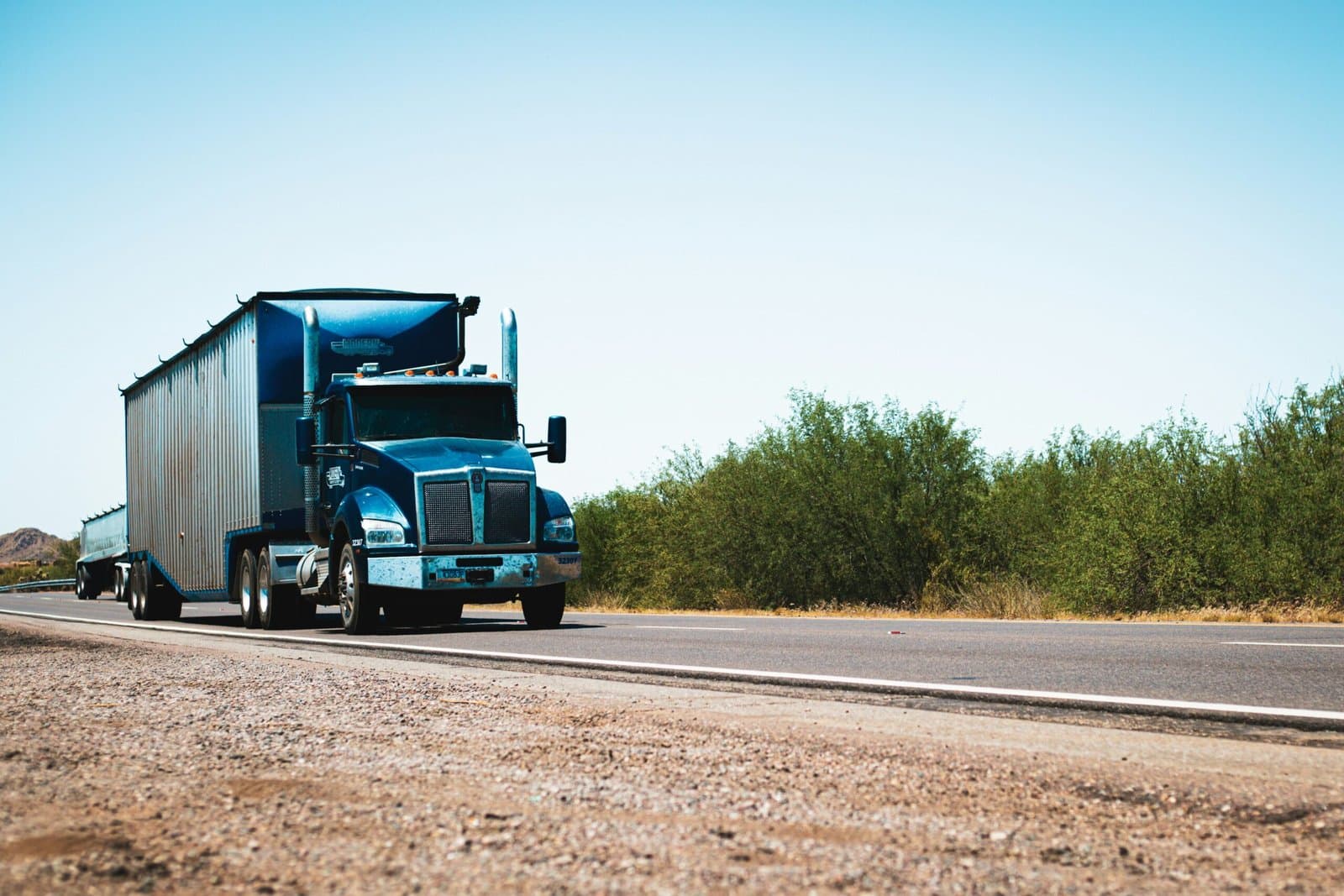
Shipping industrial machinery across state lines is one of the most complex logistics challenges manufacturers, distributors, and industrial operators face. Unlike standard freight, industrial machinery is often oversized, overweight, high-value, and critical to operations. A single mistake, incorrect permits, poor securement, or bad route planning, can lead to delays, fines, damaged equipment, or costly downtime.
Successful industrial machinery shipping requires more than booking a truck. It demands precise planning, regulatory compliance, specialized equipment, and experienced coordination across multiple jurisdictions.
This guide breaks down exactly how to ship industrial machinery across state lines safely, legally, and efficiently, and what shippers need to know before the first mile is driven.
Why Shipping Industrial Machinery Is More Complex Than Standard Freight
Industrial machinery is fundamentally different from palletized or consumer freight. Common challenges include:
-
Oversized or overweight dimensions
-
Irregular shapes and uneven weight distribution
-
High replacement costs and long lead times
-
Sensitivity to vibration, tilt, or impact
-
Strict federal and state transportation regulations
Machinery such as CNC machines, presses, turbines, generators, compressors, production-line equipment, and large pumps cannot be treated as routine shipments. Interstate transport adds an additional layer of regulatory complexity.
1. Start With Accurate Machinery Specifications
Every successful industrial machinery shipment begins with exact data. Inaccurate specs are one of the most common causes of permit issues, delays, and re-quotes.
Required specifications include:
-
Total weight (including attachments)
-
Length, width, and height
-
Center of gravity
-
Lift points
-
Operating condition (rolling vs non-rolling)
-
Fragile or sensitive components
-
Pickup and delivery site conditions
When shipping across state lines, even a few inches or pounds can change:
-
Permit requirements
-
Route approvals
-
Trailer selection
-
Escort needs
Accurate specs allow logistics providers to plan legally and avoid mid-transit problems.
2. Choose the Right Trailer for Industrial Machinery Shipping
Machinery rarely fits on a standard dry van. Selecting the correct trailer is essential for safety and compliance.
Common trailer options include:
-
Flatbeds – for machinery within legal height and width limits
-
Step decks – lower deck height for taller equipment
-
Double drops – for especially tall or bulky machinery
-
RGN (Removable Gooseneck) trailers – ideal for roll-on machinery
-
Multi-axle heavy-haul trailers – required for extreme weight
Cross-state shipments amplify the importance of trailer choice because axle spacing, height, and weight distribution affect permit approval in every state traveled.
3. Understand Federal Regulations (DOT & FMCSA)
Interstate industrial machinery shipping falls under federal oversight.
DOT and FMCSA regulations govern:
-
Vehicle and trailer safety standards
-
Driver qualifications and hours of service
-
Load securement requirements
-
Axle weight limits
-
Inspection and enforcement procedures
Failure to meet FMCSA securement standards alone can result in:
-
Immediate roadside shutdowns
-
Fines and citations
-
Shipment delays
-
Increased liability exposure
Securement must account for forward, rearward, and lateral movement—especially critical for heavy machinery.
4. Navigate State-Specific Oversize and Overweight Regulations
While federal rules apply nationwide, state regulations vary significantly, making cross-state machinery shipping especially complex.
State requirements may include:
-
Oversize or overweight permits
-
Travel-hour restrictions
-
Weekend or holiday bans
-
Escort or pilot vehicle requirements
-
Route restrictions and bridge limits
-
Height-pole vehicles for tall loads
A shipment legal in one state may be illegal in the next without additional permits or routing changes. Permits are often required per state, not per shipment.
Proper industrial machinery shipping requires coordinating regulations across every state on the route.
5. Secure Permits Before the Shipment Moves
Permits are not optional for oversized or overweight machinery.
Common permit types include:
-
Oversize load permits
-
Overweight permits
-
Superload permits for extreme dimensions
-
Local or municipal permits in certain areas
Permit processing times vary by state—from same-day to several business days. Delays in permitting can delay entire projects.
Logistics providers coordinate permits in advance to ensure continuous, legal movement across state lines.
6. Plan the Route With Precision
Route planning is one of the most critical aspects of industrial machinery shipping.
Route planning must consider:
-
Bridge weight limits
-
Overhead clearances
-
Road width and turning radii
-
Construction zones
-
Urban travel restrictions
-
State-approved permit routes
A route suitable for standard freight may be completely inaccessible for heavy machinery. Errors in routing often lead to forced detours, additional permits, or equipment damage.
Professional route analysis reduces risk and keeps transit predictable.
7. Prepare Industrial Machinery for Interstate Transport
Machinery preparation plays a major role in shipment safety.
Preparation best practices include:
-
Removing or securing loose components
-
Locking moving parts
-
Draining fluids if required
-
Disconnecting power sources
-
Protecting sensitive electronics
-
Cleaning equipment to avoid inspection delays
Improper preparation increases damage risk and can trigger inspection failures at weigh stations or roadside checks.
8. Loading, Securement, and Safety Requirements
Loading heavy machinery is a high-risk operation.
Securement must meet FMCSA standards, including:
-
Proper chain grades and working load limits
-
Minimum number of tie-downs based on weight
-
Secondary securement for attachments
-
Blocking and bracing
-
Securement angles that prevent shifting
Cross-state travel increases inspection frequency, making compliance essential. Experienced carriers understand how to secure machinery for long-distance interstate transport.
9. Coordinate Pickup and Delivery Across State Lines
Industrial machinery shipments often involve:
-
Manufacturing plants
-
Warehouses
-
Construction sites
-
Power facilities
-
Limited-access industrial locations
Successful coordination requires:
-
Proper loading equipment availability
-
Ground condition assessment
-
Appointment scheduling
-
Safety protocols at both ends
Clear communication between shipper, carrier, and receiving team prevents delays and safety incidents.
10. Track the Shipment and Manage Risk
Industrial machinery is high-value freight. Visibility is critical.
Effective industrial machinery shipping includes:
-
Real-time tracking
-
Proactive communication
-
Delay notifications
-
Delivery confirmation
Insurance coverage should be reviewed carefully, ensuring:
-
Carrier cargo insurance limits are sufficient
-
Liability exposure is understood
-
Documentation is in place before transport
Why a Full-Service Logistics Provider Matters
Shipping industrial machinery across state lines involves dozens of moving parts. Managing them internally increases risk and cost.
A full-service logistics provider handles:
-
Trailer and carrier selection
-
Permit and compliance management
-
Route planning
-
Escort coordination
-
Securement oversight
-
Real-time tracking
-
End-to-end shipment execution
This allows shippers to focus on operations while machinery moves safely and legally.
Ship Industrial Machinery Across State Lines With Confidence
Industrial machinery shipping is not just transportation—it’s risk management, regulatory compliance, and operational protection. When done correctly, it keeps projects on schedule and equipment intact.
Get a quote today and let experienced logistics professionals manage your industrial machinery shipping across state lines from start to finish.
Recent Posts
El Paso Cross-Border Freight for Manufacturers Shipping Between Texas and Mexico
SEPTEMBER 28, 2026

Boston Pharmaceutical Freight: Building a Reliable Cold Chain Across New England
SEPTEMBER 21, 2026
Las Vegas Convention Freight: How to Ship Booths and Displays Without Missing Mo...
SEPTEMBER 14, 2026
How to Package LTL Freight for Multiple Terminal Transfers
AUGUST 24, 2026

How Produce Season Affects Refrigerated Freight Capacity
AUGUST 5, 2026
Houston Heavy-Haul Shipping: Planning Industrial and Energy Loads
AUGUST 4, 2026