Moving Construction Equipment: Best Practices
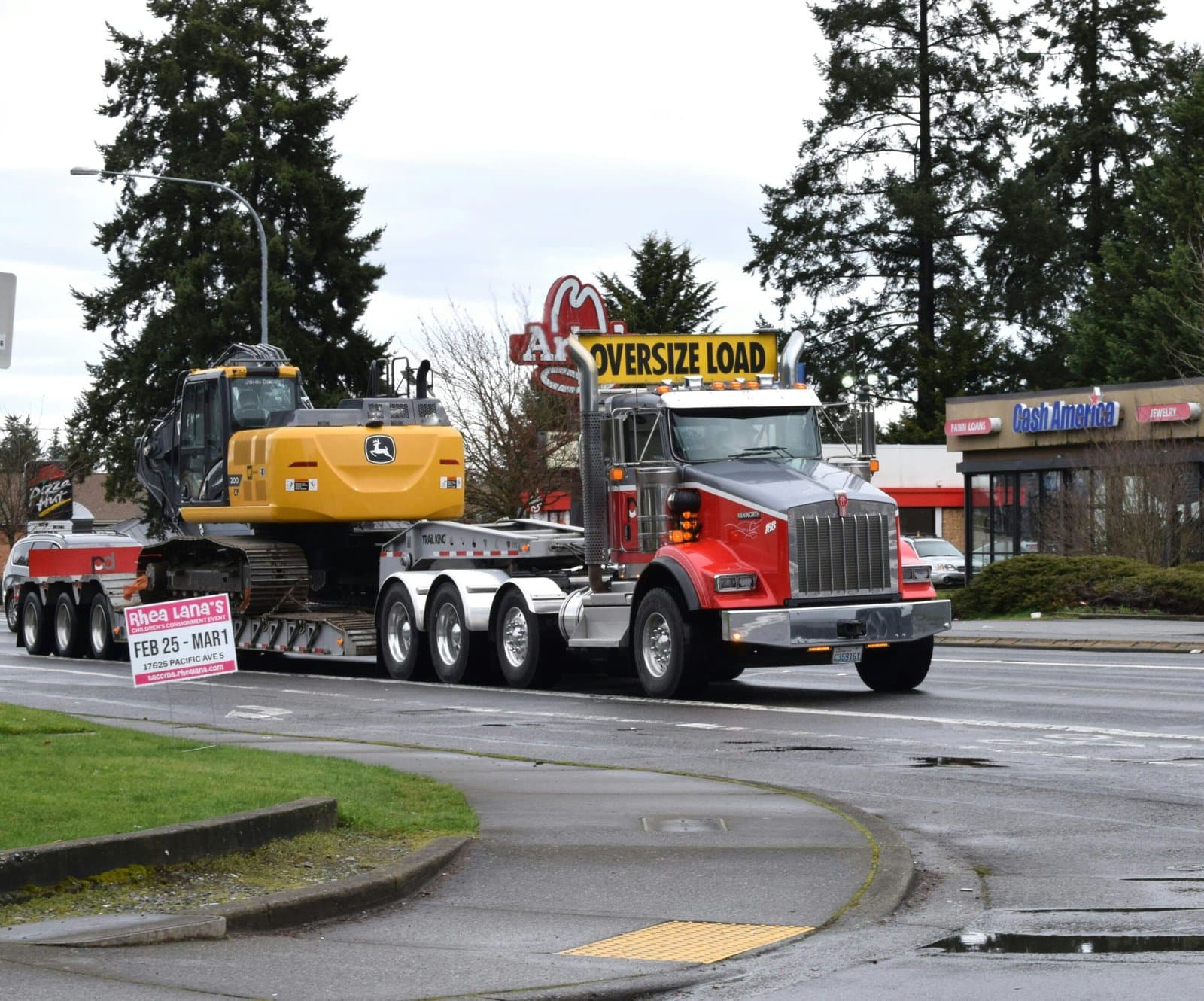
Moving construction equipment is a critical part of keeping projects on schedule and within budget. Whether you’re relocating machinery between job sites, delivering equipment to a new project, or transporting assets across state lines, delays or mistakes in logistics can quickly disrupt timelines and increase costs.
Unlike standard freight, construction equipment is often oversized, heavy, and difficult to handle. It requires specialized planning, proper equipment, regulatory compliance, and precise coordination. For construction companies, efficient logistics is not just about transportation; it’s about maintaining productivity and minimizing downtime.
This guide explains how to approach moving construction equipment efficiently, reduce risk, and ensure every shipment supports your project goals.
Why Moving Construction Equipment Is Complex
Construction equipment presents unique logistical challenges that standard shipping does not.
Common challenges include:
- Oversized and overweight dimensions
- Irregular shapes and weight distribution
- Limited jobsite access
- Tight project timelines
- High equipment value
- Safety and compliance requirements
Equipment such as excavators, bulldozers, cranes, loaders, and lifts require specialized handling and transport solutions. Without proper planning, even a short-distance move can become a major disruption.
1. Start With Accurate Equipment Details
The first step in moving construction equipment efficiently is understanding exactly what you’re transporting.
Key details to confirm:
- Weight and dimensions (length, width, height)
- Type of equipment (tracked, wheeled, stationary)
- Attachments (buckets, blades, booms)
- Operating condition (running or non-operational)
- Pickup and delivery site conditions
These details determine:
- Trailer type
- Permit requirements
- Route planning
- Loading method
Even small inaccuracies can lead to delays, incorrect equipment assignment, or compliance issues.
2. Choose the Right Trailer and Equipment
Selecting the correct trailer is essential for safe and efficient transport.
Common trailer options:
• Flatbed Trailers
Best for smaller equipment within legal limits.
• Step Deck Trailers
Lower deck height allows for taller equipment without exceeding height restrictions.
• RGN (Removable Gooseneck) Trailers
Ideal for drivable equipment, as machines can be driven directly onto the trailer.
• Lowboy Trailers
Used for heavy or oversized equipment requiring low clearance.
• Multi-Axle Trailers
Required for extremely heavy loads like cranes or large industrial machinery.
Using the wrong trailer can result in:
- Height violations
- Unsafe loading
- Equipment damage
- Permit issues
Matching the equipment to the correct trailer ensures safe transport and regulatory compliance.
3. Understand Permits and Regulations
Many construction equipment shipments exceed legal size or weight limits.
Regulatory considerations include:
- DOT and FMCSA requirements
- State-specific oversize and overweight permits
- Axle weight limits
- Securement standards
- Travel restrictions (time of day, weekends, holidays)
Permits may include:
- Oversized load permits
- Overweight permits
- Multi-state permits for long-distance moves
Failure to comply can lead to:
- Fines and penalties
- Shipment delays
- Route restrictions
- Safety risks
Proper planning ensures all permits are secured before transport begins.
4. Plan Routes Carefully
Route planning is critical when moving construction equipment.
Key route considerations:
- Bridge weight limits
- Overhead clearances
- Road width and turning radius
- Construction zones
- Urban traffic restrictions
- Jobsite accessibility
Heavy equipment cannot always follow standard trucking routes. Poor route planning can result in costly detours or delays.
Efficient logistics requires selecting routes that are both legal and practical for oversized loads.
5. Prepare Equipment for Transport
Proper preparation reduces risk and speeds up loading.
Preparation checklist:
- Remove or secure attachments
- Clean equipment to meet inspection standards
- Lock moving parts
- Check tires, tracks, and hydraulics
- Drain fluids if required
- Secure loose components
Well-prepared equipment:
- Loads faster
- Reduces safety risks
- Minimizes damage during transit
6. Coordinate Loading and Jobsite Conditions
Construction sites often present logistical challenges that warehouses do not.
Common jobsite issues:
- Uneven or unstable ground
- Limited space for trucks
- Lack of loading docks
- Restricted access points
Loading considerations:
- Use appropriate ramps or cranes
- Ensure ground stability
- Maintain clear communication between operators and drivers
- Establish safe loading zones
Efficient coordination between site crews and transport providers is essential.
7. Ensure Proper Securement
Improperly secured equipment is a major safety risk.
FMCSA securement requirements include:
- Minimum number of tie-downs based on weight
- Chains and binders with proper load ratings
- Securement for attachments
- Blocking and bracing to prevent movement
Securement must prevent:
- Forward movement
- Backward movement
- Side-to-side shifting
Experienced carriers understand these requirements and ensure compliance throughout transport.
8. Schedule Moves Around Project Timelines
Timing is critical in construction logistics.
Best practices include:
- Align transport with project phases
- Avoid peak jobsite congestion
- Coordinate with subcontractors
- Build buffer time for delays
Late equipment deliveries can halt work and impact multiple trades on-site.
Efficient scheduling ensures equipment arrives when it’s needed—not too early and not too late.
9. Track Equipment During Transport
Visibility is essential when moving high-value construction equipment.
Tracking benefits include:
- Real-time shipment updates
- Improved coordination with site teams
- Faster response to delays
- Accurate delivery timing
Tracking helps project managers plan labor, staging, and installation more effectively.
10. Work With an Experienced Logistics Partner
Moving construction equipment involves multiple variables, equipment, permits, routes, timing, and safety. Managing all of this internally can be time-consuming and risky.
An experienced logistics provider helps:
- Select the right equipment and carriers
- Handle permits and compliance
- Plan efficient routes
- Coordinate loading and delivery
- Provide real-time tracking and updates
This allows construction teams to stay focused on building, while logistics are handled professionally.
Move Construction Equipment Efficiently and Safely
Efficiently moving construction equipment is essential to keeping projects on track and costs under control. With proper planning, the right equipment, and experienced coordination, construction companies can reduce delays, avoid compliance issues, and protect valuable assets.
Get a quote today and ensure your construction equipment is moved safely, efficiently, and without disruption to your project timeline.
Recent Posts
El Paso Cross-Border Freight for Manufacturers Shipping Between Texas and Mexico
SEPTEMBER 28, 2026
Boston Pharmaceutical Freight: Building a Reliable Cold Chain Across New England
SEPTEMBER 21, 2026
Las Vegas Convention Freight: How to Ship Booths and Displays Without Missing Mo...
SEPTEMBER 14, 2026
How to Package LTL Freight for Multiple Terminal Transfers
AUGUST 24, 2026

How Produce Season Affects Refrigerated Freight Capacity
AUGUST 5, 2026
Houston Heavy-Haul Shipping: Planning Industrial and Energy Loads
AUGUST 4, 2026