Houston Heavy-Haul Shipping: Planning Industrial and Energy Loads
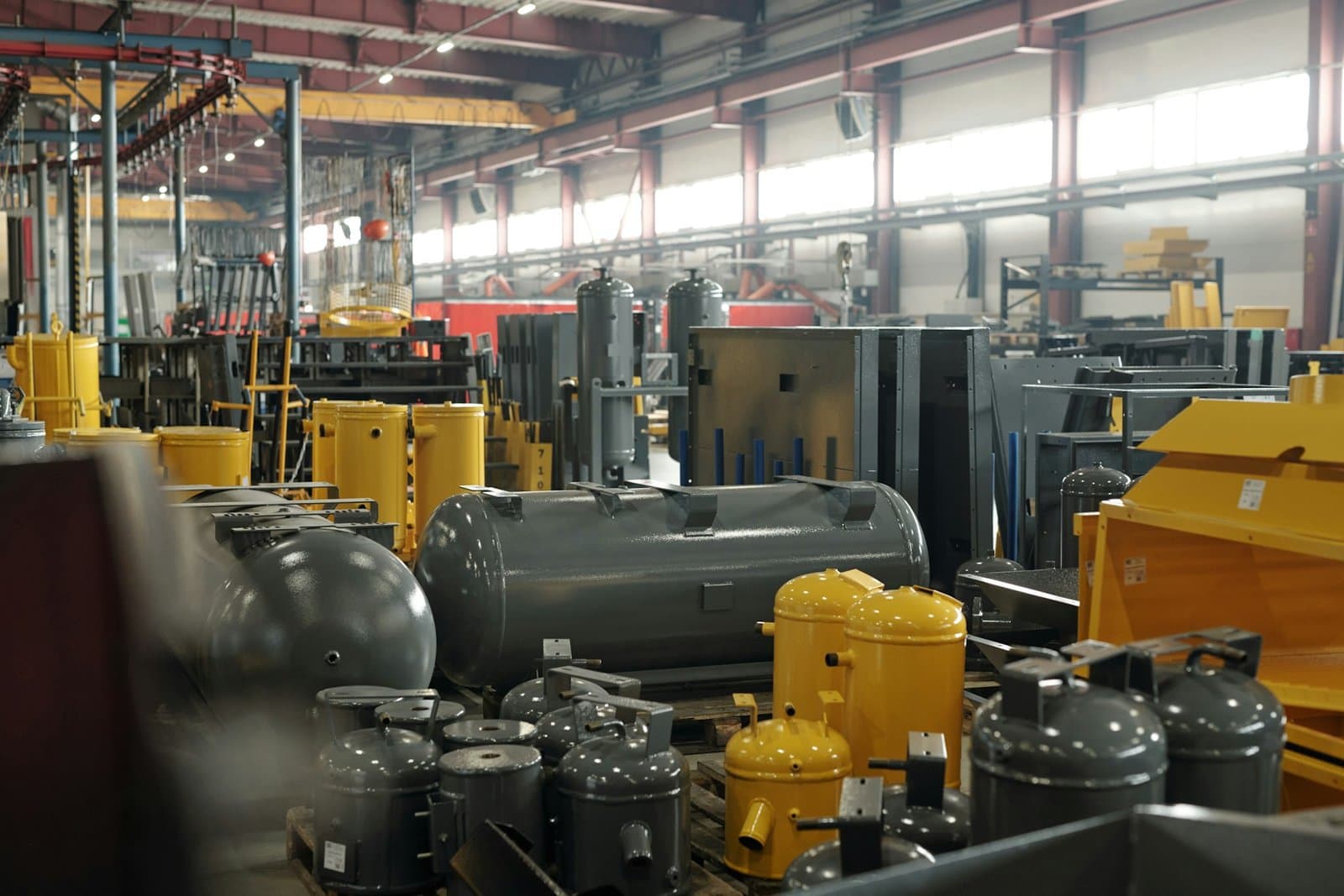
Houston heavy-haul shipping works best when the load is planned before a carrier is booked. For industrial and energy freight, that means confirming the shipping dimensions and weight, choosing equipment around the actual load, checking how it will be loaded and unloaded, and building a permit-ready route that works at the port, plant, yard, or jobsite.
A transformer moving from a terminal to a substation has different requirements than a skid-mounted compressor going to a refinery. Even two pieces with similar dimensions may need different trailers because their weight is concentrated differently or one has a higher center of gravity.
Start With Shipping Dimensions, Not the Equipment Brochure
Freight Squad needs the dimensions and weight of the load as it will actually ship. Manufacturer specifications are a useful starting point, but they may describe equipment in operating condition. Guards, platforms, piping, tires, or attachments may be removed before transport. Packaging and support frames may add height or width back in.
Loaded height includes the trailer deck, any dunnage or cribbing under the freight, and the highest point of the cargo. A machine that is 12 feet tall does not travel at 12 feet once it is placed on a trailer.
The total weight matters, but so does the weight of each piece and how it is distributed across the footprint. A compact transformer may place far more pressure on a short section of deck than a longer piece with the same gross weight.
Useful records include certified weights, dimensional drawings, lifting plans, equipment manuals, and clear photos. Freight Squad also asks whether anything can be removed safely to reduce the shipping envelope.
Match the Trailer to the Load and Loading Method
Standard flatbed freight shipping works for many steel fabrications, pipe bundles, skids, and crated industrial components. Side and top access make it practical when a crane or large forklift will handle the load. A step deck lowers most of the deck, creating additional height clearance.
Taller machinery may need a double-drop or removable gooseneck trailer. An RGN lowers the main deck and lets certain wheeled or tracked machines drive on from the front after the neck is detached. That works well for excavators, cranes, drilling equipment, and large generators when a loading crane is not available.
Long pressure vessels, wind-energy components, pipe, and structural assemblies may require extendable equipment. Concentrated heavy loads may call for additional axles, jeep and booster combinations, or another configuration that spreads the weight properly.
Freight Squad’s heavy haul shipping process looks beyond the trailer name. Deck height, well length, axle spacing, securement points, turning behavior, and available loading space all affect the decision.
Texas Permits Depend on Exact Loaded Measurements
Texas requires oversize or overweight permits for vehicles and loads that exceed the state’s legal limits. The permit decision is based on the complete vehicle and load, not the cargo by itself.
That is why a quote based on rough measurements is still provisional. The final trailer changes the overall length and height. Tractor configuration, axle count, spacing, and freight placement affect the permitted weight calculation.
The Texas Department of Motor Vehicles oversize and overweight permit guidance says exact dimensions and weight are required to determine the correct permit type and authorized route. Depending on the move, route inspections, escort vehicles, added documents, or engineering review may also be required.
Permit processing belongs in the schedule. A permit may carry travel hours, route instructions, or conditions that affect pickup and delivery appointments.
The Shortest Houston Route May Not Be the Legal Route
A route that looks direct on a map may not work for the loaded truck. Heavy-haul routing considers overhead clearance, bridge capacity, road restrictions, construction, turning space, and the final approach to the facility.
Houston’s major highways, industrial corridors, port roads, frontage roads, and local streets behave differently under a long or wide load. A turn that is easy for a dry van may be impossible for a multi-axle trailer. A gate may be wide enough, yet the approach angle may not allow the trailer to line up.
The route review should continue inside the property. Freight Squad needs to know where the truck will enter, stage, turn, and unload. Soft shoulders, steep grades, low piping, security barriers, or parked equipment may block the last few hundred feet even when the permitted road route is clear.
Refineries and chemical plants may limit arrival times or require an escort after the truck enters the gate. Active jobsites may need temporary access cleared before the trailer arrives.
Port and Terminal Freight Requires Its Own Coordination
Port Houston’s multi-purpose, breakbulk, and project cargo facilities handle steel, heavy-lift project cargo, wind-energy components, and other bulky freight. Loads moving from these facilities still require a coordinated handoff between the terminal, carrier, loading crew, and receiver.
Before dispatch, confirm:
- The correct terminal and cargo release status
- Driver credential and access requirements
- Appointment or receiving procedures
- Crane, forklift, or rigging availability
- Storage, free-time, and operating-hour constraints
- The cargo’s current position and condition
- Where the truck can stage before loading
- Who will verify dimensions at pickup
A truck arriving before the cargo is released or before the lifting crew is ready may lose much of its permitted travel window. That can affect escorts and the receiving appointment too.
Securement Has to Fit the Commodity
Industrial cargo needs a securement plan based on its shape, weight, support points, and sensitivity.
A tracked machine may use chains at approved tie-down points. A pressure vessel may need saddles, blocking, and protection around finished surfaces. Structural steel requires support and restraint that prevent shifting while protecting edges. Transformers may have restrictions on tilt, shock, vibration, or handling.
Tarping is not automatic for every open-deck load. It depends on the commodity, weather exposure, surface finish, protrusions, and whether a tarp can be secured without damaging the equipment. Some freight needs wrapping or another protective system prepared before the truck arrives.
The loading party and carrier should agree on dunnage, securement points, lifting responsibilities, and final inspection. Photos taken after securement provide a useful record before departure.
Timing in Houston Is Part of the Load Plan
Heavy-haul schedules have less room for improvisation than standard freight. Pickup has to line up with permits, escorts, terminal access, loading crews, and the receiver’s unloading plan.
Houston traffic affects the usable travel window, especially for wide or slow-moving equipment. Summer heat changes jobsite conditions and crew scheduling. Severe weather or tropical activity may lead terminals and industrial sites to change hours or restrict access.
A realistic plan includes a secure staging location or a procedure for holding the load if the destination is not ready. The goal is to avoid discovering late in the day that a permitted truck has nowhere legal or secure to wait.
What Freight Squad Needs for a Heavy-Haul Quote
Send Freight Squad:
- Exact pickup and delivery addresses
- Commodity and shipping configuration
- Loaded length, width, and height
- Total weight and weight of each major piece
- Dimensional drawings and current photos
- Center of gravity and lifting points, when available
- Loading and unloading methods
- Required pickup and delivery dates
- Port, refinery, plant, or jobsite access rules
- Details about removable components
- Weather-protection and securement requirements
- Onsite contacts who understand the load
If final measurements are not available, provide the best current drawings and identify what is still being verified. Freight Squad can separate the information needed for an initial budget from the details required before permitting and dispatch.

A Heavy-Haul Quote Should Be a Transportation Plan
The lowest truck rate is not a bargain if it assumes the wrong trailer, leaves permits out, or ignores a site the truck cannot enter. A complete Houston heavy-haul quote should account for equipment, carrier qualifications, routing, permits, escorts, securement, and loading conditions.
Freight Squad coordinates these pieces through one point of contact and matches the load with a vetted transportation provider. To start planning an industrial or energy shipment, send Freight Squad the load details, including the dimensions, weight, drawings, lane, loading method, and required dates.
Recent Posts
El Paso Cross-Border Freight for Manufacturers Shipping Between Texas and Mexico
SEPTEMBER 28, 2026

Boston Pharmaceutical Freight: Building a Reliable Cold Chain Across New England
SEPTEMBER 21, 2026
Las Vegas Convention Freight: How to Ship Booths and Displays Without Missing Mo...
SEPTEMBER 14, 2026

How to Package LTL Freight for Multiple Terminal Transfers
AUGUST 24, 2026

How Produce Season Affects Refrigerated Freight Capacity
AUGUST 5, 2026