How Produce Season Affects Refrigerated Freight Capacity
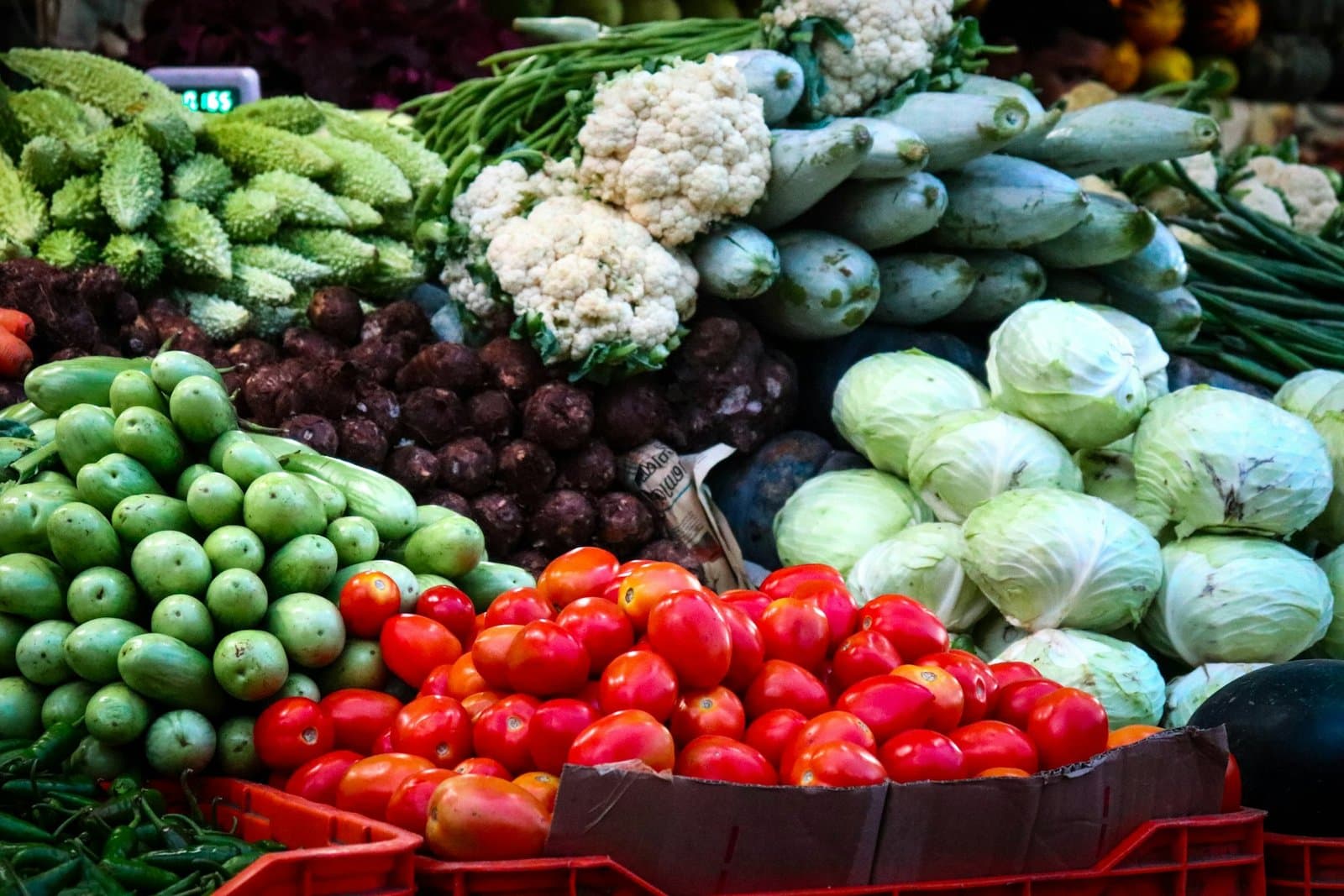
Produce season tightens refrigerated freight capacity because harvest volumes rise quickly in specific origin markets and compete for a limited pool of reefer trailers and qualified drivers. As trucks concentrate around active growing regions, shippers often see higher spot rates, longer booking lead times, and less flexibility around pickup appointments. The effect is lane-specific, so a route leaving a busy produce market may be tight even while capacity looks normal elsewhere.
Freight Squad’s founders came through food distribution, so the company approaches refrigerated freight shipping as an operational issue, not simply a matter of finding a trailer. The truck must be positioned correctly, pre-cooled when required, loaded without unnecessary delay, and operated according to the shipment’s temperature instructions.
Why Produce Season Tightens Refrigerated Freight Capacity
Fresh produce moves according to harvest schedules rather than a steady year-round pattern. When a growing region enters peak production, large volumes need to leave within a relatively short window. Growers, packers, distributors, retailers, and foodservice buyers all begin drawing from the same regional pool of refrigerated equipment.
A reefer is useful only if it is in the right market at the right time. A trailer hundreds of miles away does not solve an immediate pickup need, especially when the product has already been harvested and the shipper has a narrow loading window. Carriers may reposition equipment toward stronger outbound markets, but that relocation takes time and often involves empty miles.
The result is a temporary imbalance. Demand for outbound trucks rises faster than available equipment, particularly on lanes that do not offer carriers an attractive return load. Capacity can loosen again as harvest activity shifts, but the timing varies by commodity, weather, region, and market demand.
Capacity Changes by Lane, Not Across the Country at Once
The pressure usually begins in specific origin areas and spreads through the lanes connected to them. A shipper moving frozen food into a major produce region might find a carrier willing to accept the inbound load because the truck has a strong outbound opportunity afterward. A shipper trying to move freight out of that same region may face much more competition.
Destination matters too. Carriers consider where the truck will end up, whether another load is likely to be available, and how much empty travel will be required. A delivery point near a major distribution market may be easier to cover than a remote destination with limited reload options.
The U.S. Department of Agriculture publishes the Agricultural Refrigerated Truck Quarterly, which tracks refrigerated truck movement and rate conditions by region. Those regional differences are what shippers feel in actual quotes and tender acceptance.

How Produce Season Affects Rates and Service
Spot rates usually respond first when refrigerated freight capacity tightens. Carriers have more load options, so they can favor shipments with efficient loading, dependable appointments, strong destination markets, and fewer operational complications.
Contract freight is not completely insulated. If a primary carrier rejects a tender or cannot provide enough equipment, the overflow may move to the spot market. Fuel costs, weather, holiday demand, driver availability, loading delays, and special handling requirements also influence pricing, so a rate change should be evaluated against the full shipment profile.
Service risk changes as well. Fewer available trucks may mean a smaller selection of carriers that meet the load’s exact requirements. A low quote has little value if the trailer cannot maintain the required temperature, arrive within the pickup window, or provide the necessary documentation.
Why Non-Produce Shippers Feel the Pressure
A company does not need to ship produce to be affected by produce season. Frozen foods, dairy products, beverages, pharmaceuticals, floral products, and other temperature-sensitive goods often compete for the same refrigerated trailers.
Carriers may move equipment toward produce origins because outbound volume is high and reload opportunities are easier to find. The impact is strongest when a non-produce shipment has rigid requirements. A fixed appointment, remote destination, team-driver need, strict washout requirement, or narrow temperature range reduces the number of suitable trucks.
How Far Ahead Should Refrigerated Freight Be Booked?
There is no universal lead time for every reefer load. The right booking window depends on the lane, pickup flexibility, equipment requirements, and current market conditions. Still, produce season is a poor time to wait until the day before pickup.
Freight Squad’s guide on how far in advance to book a freight shipment explains why specialized loads generally require more planning than standard freight. For refrigerated shipments leaving an active produce market, earlier notice gives the logistics team time to check carrier positioning, verify equipment requirements, and compare realistic options.
Loads with firm appointments, multiple stops, weekend delivery, or unusual temperature instructions deserve extra lead time. Recurring shippers should share projected volume before the first load is ready. Even an estimated lane, weekly volume, and date range gives carriers a reason to plan equipment around the business.
Information to Provide Before Requesting Capacity
Accurate load details make refrigerated capacity easier to secure. Missing information creates back-and-forth communication and may lead a carrier to quote the wrong equipment or decline the shipment later.
Provide the following as early as possible:
- Exact pickup and delivery locations
- Requested pickup date and appointment window
- Commodity and packaging type
- Pallet count, dimensions, and total weight
- Required temperature set point or acceptable range
- Product temperature at loading
- Continuous-run or cycle-mode instructions
- Pre-cooling, washout, seal, and temperature-recording requirements
- Expected dock time and any stop-offs
- Driver-assist work or special access requirements
The commodity name matters. “Food product” is too broad for a refrigerated carrier to evaluate properly. Frozen prepared meals, fresh berries, bottled beverages, and pharmaceuticals involve different temperature, sanitation, handling, and liability considerations.
Product temperature matters for the same reason. A reefer trailer is intended to maintain temperature during transit. It should not be treated as a rapid cooling system for freight that was loaded warmer than required.
Practical Ways to Reduce Produce-Season Risk
Communicate expected volume before capacity becomes urgent. Recurring lanes are easier to plan when the carrier or logistics provider knows the likely shipping days, appointment patterns, and weekly load count.
Pickup flexibility has value. A wider loading window may open access to a truck finishing another delivery nearby. Moving an appointment by several hours can be more effective than increasing the rate while keeping a difficult schedule unchanged.
Dock performance matters during a tight market. Long dwell time reduces the number of loads a truck can complete and makes future coverage less attractive. Confirm that the product is ready, paperwork is complete, and loading staff understand the temperature requirements before the driver arrives.
Shippers should separate true requirements from preferences. Temperature settings, food-safety procedures, legal weight limits, and customer appointments may be fixed. A preferred pickup hour or routing request might have room for adjustment.
Plan Around the Specific Lane
Produce season affects refrigerated freight capacity through concentrated regional demand, equipment repositioning, and competition for trailers that meet precise operating requirements. The practical response is to plan around the actual origin, destination, date, commodity, and temperature instructions rather than relying on a broad national market assumption.
Freight Squad coordinates nationwide refrigerated shipments through vetted transportation providers and keeps communication with one dedicated account manager. For an upcoming temperature-controlled load, send the lane, commodity, temperature requirements, and pickup window through the freight quote form. Early, complete information gives the shipment the best chance of securing suitable equipment before the market tightens further.
Recent Posts
El Paso Cross-Border Freight for Manufacturers Shipping Between Texas and Mexico
SEPTEMBER 28, 2026

Boston Pharmaceutical Freight: Building a Reliable Cold Chain Across New England
SEPTEMBER 21, 2026
Las Vegas Convention Freight: How to Ship Booths and Displays Without Missing Mo...
SEPTEMBER 14, 2026

How to Package LTL Freight for Multiple Terminal Transfers
AUGUST 24, 2026
Houston Heavy-Haul Shipping: Planning Industrial and Energy Loads
AUGUST 4, 2026