Seattle Port Freight: How to Plan Drayage After an Import Container Is Released
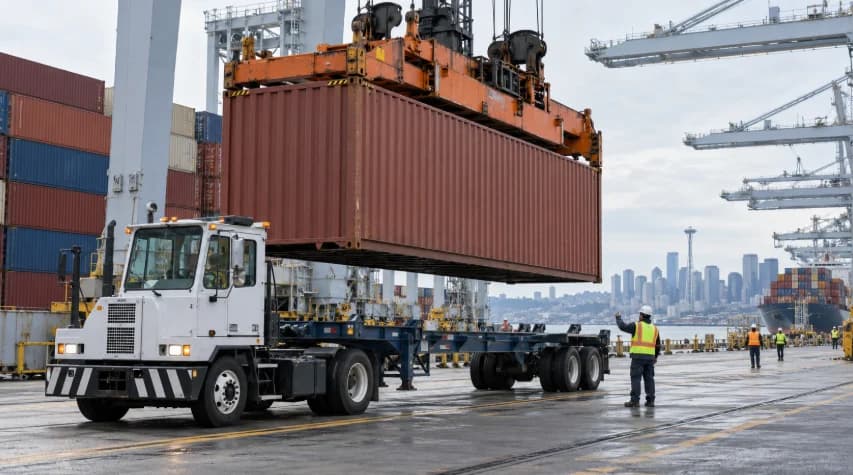
Seattle port drayage can move quickly once an import container is released, but release alone doesn’t mean a truck can pick it up. Before dispatch, confirm that the container is available at its terminal, check whether an appointment is required, and line up the equipment and delivery details. At Freight Squad, we coordinate intermodal transportation through vetted providers, including drayage at both ends of a move.
The key is to treat pickup as a series of checks. A container can be cleared by one party while another hold, terminal status, or appointment requirement still prevents a driver from collecting it.
Confirm What “Released” Means for Seattle Port Drayage
People use “released” to describe different steps in the import process. Customs may have cleared the freight, while the ocean carrier still has an equipment hold. Or the carrier may have released the container, but the terminal may not yet show it as available for pickup.
Check the status with the parties that control each step:
- Customs or your customs broker: Is the shipment cleared, with no government hold?
- Ocean carrier: Are the container and equipment released, and are any carrier charges or holds resolved?
- Marine terminal: Does the system show the container as available for pickup?
- Drayage provider: Can the provider secure the required appointment and equipment?
The Northwest Seaport Alliance’s trucker resources include terminal appointment rules, gate schedules, current turn times, and terminal updates. Requirements can vary by terminal and transaction type. Check the applicable terminal’s latest instructions instead of relying on a previous move or a general port schedule.
Check Availability and Book the Terminal Appointment
Once the container is available, confirm whether its terminal requires an appointment for that specific pickup. Some terminals require appointments for certain container rows or transactions; others apply different rules depending on how the container is stored. Appointment openings and gate hours can change.
Give the drayage provider the complete container number, including its check digit, along with the terminal, steamship line, container size and type, and any relevant pickup references. Ask who will secure the appointment and how you’ll receive confirmation. A planned pickup date is not the same as a confirmed terminal slot.
Build in time for the appointment process. Same-day availability may not be guaranteed, and arriving outside the appointment window can lead to a denied transaction or a missed pickup. Keep an eye on terminal updates and recheck the appointment if the container status or schedule changes.
Match the Chassis and Drayage Equipment to the Container
Before dispatch, confirm the container’s size and type and make sure the equipment plan fits the terminal and delivery. A standard dry container, reefer, or special equipment may have different handling requirements. Check whether the provider will supply the chassis or use a trucker-owned chassis, and confirm compatibility with the terminal’s rules and the container.
Share the container’s verified gross weight and the cargo weight with the transportation provider. Accurate weights matter for equipment selection and the legal road move. If the freight has unusual dimensions, temperature needs, or handling instructions, disclose those details before the truck is assigned.
Also confirm how the receiver will handle the container. Will the driver wait while the customer unloads it, or will the container be dropped for later unloading? Does the location have enough space for a tractor and chassis? Are there set receiving hours, a delivery appointment, security procedures, or restrictions on truck access?
These details affect both the schedule and the rate. Our intermodal freight shipping service coordinates truck drayage and rail transportation as one shipment, with one point of contact across the move.
Plan the Empty Return Before Pickup
A loaded container’s delivery is only part of the move. The empty container usually needs to return to an approved location within the time allowed by the carrier agreement. Before dispatch, ask the ocean carrier or its equipment portal where that specific empty should go, whether an appointment is needed, and what return conditions apply.
Don’t assume the empty will return to the terminal where the loaded container was collected. The designated location may depend on the steamship line, container type, or current receiving status. Confirm the return location again before the driver heads there, especially if the delivery runs late or the return occurs on a different day.
Clarify who will notify the provider when unloading is complete. If the receiver needs extra time, tell the transportation team promptly so it can check the available options and applicable charges.
Track Free Time and Possible Accessorial Charges
Import containers typically have time limits that affect storage and equipment use. The exact free-time allowances, charges, and responsible party depend on the carrier, terminal, and shipment terms. Confirm the applicable deadlines with your ocean carrier and logistics partners as soon as you know the container’s status.
Share those dates with the drayage provider along with the delivery plan. If an appointment is unavailable, the container is not ready, the receiver can’t unload, or the empty return location changes, the schedule may need to be adjusted. Ask which costs could apply if the truck waits, the pickup is rescheduled, or the container stays out longer than planned. Our guide to freight accessorial charges explains why services and conditions beyond basic transportation belong in the quote conversation.
Send Complete Details Before Dispatch
A practical drayage quote needs enough information to plan both the terminal pickup and the delivery. Send:
- Container number, size, and type
- Steamship line and pickup terminal
- Container availability status and release references
- Appointment requirements and confirmed pickup window
- Cargo weight and container gross weight
- Delivery address, hours, and appointment details
- Live unload or drop requirements
- Chassis expectations or special equipment needs
- Empty return location and deadline
- Receiver and shipper contacts for schedule changes
If a detail is still pending, flag it clearly. That lets the transportation team identify what must be confirmed before dispatch and what can be finalized later.
Coordinate Seattle Port Freight Through Delivery
Import drayage works best when terminal status, appointments, equipment, delivery, and empty return all fit the same plan. Confirm each handoff before the truck moves, and keep the carrier, receiver, and transportation provider informed if a release or appointment changes.
At Freight Squad, we coordinate nationwide freight through vetted transportation providers and keep one account manager connected to the shipment from quote through delivery. For Seattle freight shipping, send us the container details, terminal, destination, timing, and empty return requirements. We’ll review the lane and coordinate an appropriate transportation plan.
Recent Posts
El Paso Cross-Border Freight for Manufacturers Shipping Between Texas and Mexico
SEPTEMBER 28, 2026

Boston Pharmaceutical Freight: Building a Reliable Cold Chain Across New England
SEPTEMBER 21, 2026
Las Vegas Convention Freight: How to Ship Booths and Displays Without Missing Mo...
SEPTEMBER 14, 2026

How to Package LTL Freight for Multiple Terminal Transfers
AUGUST 24, 2026

How Produce Season Affects Refrigerated Freight Capacity
AUGUST 5, 2026